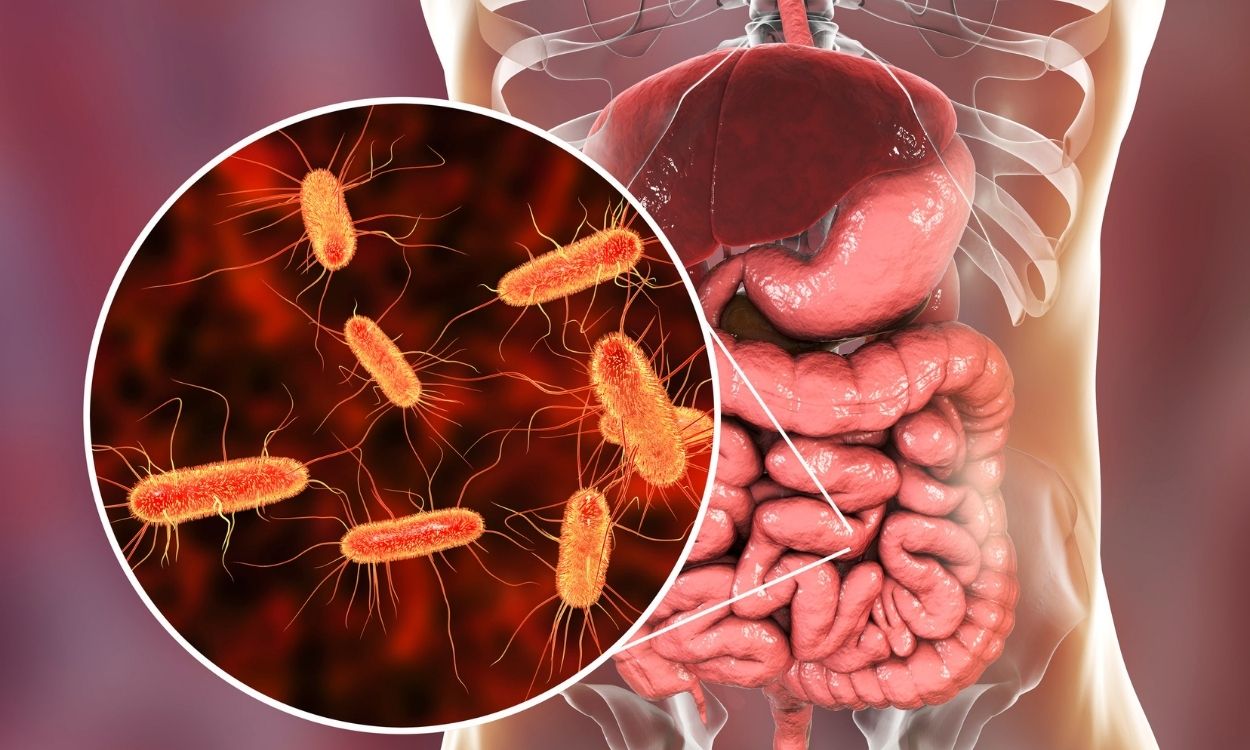
The microbiome: What exactly is it?
There are between 10 and 100 trillion different species of symbiotic microbes that reside within and around human bodies Collectively, they are referred to as the microbiome. The friendly microbes are more numerous than your human cells and are now gaining a lot of attention because of the growing amount of research demonstrating the huge impact they can have on human physiology as well as behavior. Our microbiome is a part of us and the bulk of our immune system in newborns through the birth canal, as well as breastfeeding.
These crucial contacts are the basis for the microbiome. In healthy people, the microbiome expands and confers many vital functions that allow us to prosper. Since the moment we are born we are impacted by our microbiome – its presence of, quality, as well as diversity absence of which influences and influences growth of the digestive tract and also our immune and nervous systems
The microbiome is the microbial community that influences our immune and digestive systems. The microbes that live in your intestines create amino acids, vitamins hormones, neurotransmitters, hormones along with other signals that influence the way that your body and brain function. They also make short-chain fatty acids as byproducts that the intestinal cells use to fuel you and contribute to the health of your gut. The bugs reside within our digestive tracts and live off the foods that we consume. Like every living thing, their health (and ultimately, ours) is dependent on eating an appropriate diet. It has been proven that diet changes and any systemic stress or inflammation could change the structure of your microbiome in only 24 hours.
How will this affect your body?
The microbiome plays a significant role in our immune system through modulating the innate and adaptive immune response, and also by altering the number of immune cells and their function. A healthy population of healthy bacteria can also serve as a direct defense mechanism against pathogenic microorganisms through occupying your digestive tract and by consuming nutrients in a manner that it’s less likely for pathogens to be successful in gaining access. Microbiome composition changes have been connected to various ailments, such as IBD, (IBD) and psoriasis.
The autoimmune joint, atopic dermatitis and type 2 diabetes obesity and atherosclerosis The reason for this is not surprising considering the crucial role these microbes play in controlling metabolism and immune system. Researchers are discovering that the microbiome of a specific pathology appears to have a distinct mix of microbes that are associated with it. Research in mice has shown that transferring gut microbes from mice that have been subjected to certain conditions could cause these conditions in the mice that they transplanted to Tombaugh and colleagues. Transferred microbes from obese phenotypically mice to mice that were not obese, and this resulted in obesity in previously obese mice.
The study also revealed that the microbiome of obese-phenotype mice the mice showed a higher capacity to draw energy from their diet of the host, which implies that the microbes of obese mice took in greater calories out of their diets than the non-obese microbes. This led to a greater caloric intake over the course of time, thereby contributing to the increase in weight.
The Microbiome’s Impact on Behavior and Mood
Gut microbes relay messages to the brain via various direct and indirect mechanisms – bacterial metabolites, metabolic precursors, immune signalling, vagus nerve signalling, and Hypothalamic-Pituitary-Adrenal axis activation 6, 20. Through the mechanisms mentioned above that brain development and neurodegeneration is affected. A large portion of microbiome’s influence on the brain occurs through the gut-brain-axis, which is an axis that connects the nervous system of your gut to your central nervous system. In the illustration below, the gut and the brain communicate via nerves that send different molecules and signals, which could have an impact on both ways for both systems.
When you consider the gut-brain connection and its physical signs that various microbiome compositions can cause, It should come as no surprise that there could be mental or emotional consequences too. Many neurological and psychiatric diseases include gastrointestinal co-morbidities such as schizophrenia as well as autism, neurodegenerative disorders such as anxiety, depression, and As mentioned above, various diseases have different microbiome compositions. This is also true for mood and neurodegenerative disorderslike major depressive disorder, schizophrenia Parkinson’s disease and autism spectrum disorders.
There are other studies that suggest that microbiome changes during addictions (e.g. alcohol or cocaine) might be related to the craving for substances and an increased likelihood of developing psychosis, including depression and anxiety. In several studies on animals, researchers could observe differences in the development of neurons between mice with inherited or colonized by a sufficient microbiome and those treated with antibiotics and a sterile environment (to rid the microbiome of). Mice that were sterile to bacteria were more susceptible to neurologic and immune disorders that in some instances could be reversed with the appropriate support, including colonization by the right microbes. None of the researchers involved in these studies claim that we could cure these ailments by a probiotic or the transplantation of microbial organisms (though research is looking into the possibility) instead, it’s becoming more important to understand the importance of the relationship to the health of your microbiome, gut and your brain.
What is the most significant factor that affects how healthy our microbiome is?
Numerous lifestyle and dietary elements can impact the microbiome’s health. Because it is situated in the digestive tract, food choices have a major impact. Research on the microbiome and nutrition is continuously evolving; however, there are some similarities in guidelines in both areas. The consumption of a plant-based diet is more beneficial than a diet with a high-protein content from animals. Diets based on plants have been proven to be beneficial to microbes that make SCFAs which supply energy to intestinal cells and are believed to provide anti-inflammatory effects on the gut, too.
The study also found that SCFAs can reduce inflammation in the gut. This is in line with diets that were higher in animal protein have resulted in fewer bacteria that produce SCFAs, and were linked to higher inflammation and inflammation bowel disease. Similar to this, studies on mice showed that diets rich in saturated fats boosted the growth of microbes that aggravated metabolism-related inflammation as well as insulin resistance and concerning sugars, natural sugars were found to be beneficial in providing good microbes with food, however, the consumption of artificial sweeteners led to more pathogenic microbes in comparison to beneficial microbes that were studied in mouse microbiome studies. Non-digestible sugars (fibre) specifically stimulate the growth of specific microbes. Certain forms of fibers are called prebiotics (food for microbes) that include soybeans, insulin refined grains, as well as certain non-digestible sugars 21. A diet high in fibre is positively associated with a healthy and abundant microbiome and positive impacts on metabolic and immune function. Different diets influence the microbiome based on their composition. The western diet, which is packed with animal protein and fats but lacking in fiber, is associated with a lower abundance as well as less varied microbiome. The gluten-free diets showed a decrease in the number of microbes, leading to an increase in the number of pathogens that are opportunistic. It is believed that the Mediterranean diet (a large variety of whole foods, high in antioxidants, a large intake of plant-based products as well as moderate intake of animal proteins and the inclusion of healthy fats) is renowned for its positive effects on cardiovascular health, reducing weight, lipid profiles as well as reducing inflammation. It has been found to be the most beneficial to the microbiome’s composition.
The finally is getting straight to the source of probiotics! The direct introduction of beneficial microbes (probiotics) into your digestive system by taking capsules, powders and fermented beverages and food items (e.g. sauerkraut, kimchi, yogurt or Kombucha) or through the fecal microbial transplant could be an effective method to improve your microbiome as making lifestyle changes for long-term health. Probiotics have benefits that are numerous, and could include the relief of digestive problems, the decrease in pathogenic organisms within the gut, a reduction in bad cholesterol (LDL) and higher levels of good cholesterol (HDL) and enhanced insulin sensitivity and reduced inflammation benefits of probiotics include improved insulin sensitivity, decreased inflammation. Healthy living goes far in sustaining your microbiome. Healthy eating is only one component of it. Like we said earlier diet-related changes, major stress on the system, and inflammation can alter the microbiome in only 24 hours. There are numerous kinds of stress – both mental and emotional, that could result in physiologic changes which could alter the microbiome.
Self-care practices for managing stress such as meditation, social connection as well as a thoughtful plan for your schedule as well as getting enough rest and setting boundaries that are appropriate with your family and friends can make you more resilient when managing stress.
The more adept you are at managing stress, the more likely it will manifest into additional physical or mood-related symptoms.
In
Marcare Clinic, we care about your health; if you need medical care close to you in Hamilton, or you need
walk-in clinic services in Hamilton, please do not hesitate to contact us; we will attend immediately.