To achieve the perfect equilibrium of all the essential functions, certain substances are known as vitamins are required. First, we will dive deep into the vitamins K. It comes in two major types of vitamin (vitamin K1 and vitamin K2). Each comes from different sources and has distinct biological functions.
Table of Contents
Vitamin K1 is Phylloquinone. It plays an important function in coagulation, as it’s an essential cofactor for the activation of specific proteins. Phytonadione, the synthetic form of vitamin K1. Vitamin K2, also known as Menaquinone, is found in different forms, ranging from MK-4 (mena that ranges from the MK-4 (menatetrenone) to MK-13.
Different sources Your metabolism and daily recommended allowances of vitamin K.
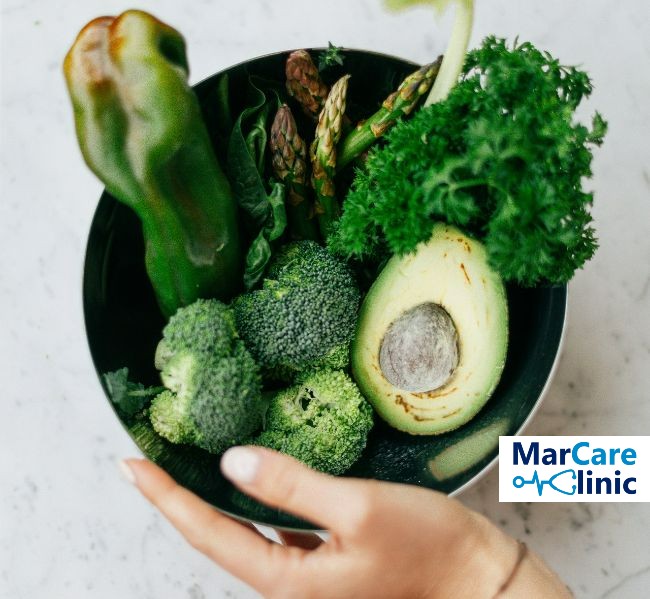
Vitamin K1 is present in human food because certain plants and other vegetables synthesize it. In this regard, we can think of broccoli, spinach, kale, and a few other herbs and fruits. In addition, certain oils, like soybean oil and canola oil, have large quantities.
Vitamin K2’s sources are cheese eggs, meat, and Natto (a fermented, soy-based food widely consumed in Japan that is in the first place, with a concentration of 775 mg/100 grams). In addition, the microbiota synthesizes menaquinones in your gut.
Vitamin K1 can be converted to Vitamin K2 (MK4), stored within extrahepatic tissue. The most popular varieties of vitamin K2 contain 60percent of the power that vitamin K1 has. The bioavailability of the various kinds of vitamin K is significantly based on the intraluminal nutrient concentration (in the digestive tract).
To absorb vitamin K effectively, it is essential to maintain healthy pancreatic and biliary functions and the absorption mechanism of fats. Vitamin K in our diet binds to protein, and it is released through pancreatic enzymes located in the small intestinal tract. It is then dissolved in micelles through the bile salts to be absorbed by intestinal cells.
A daily dose of 90 mg is recommended for women. 120 mg for men, and in children, the amount can be as low as 2 to 75 mg daily.
Vitamin K has different actions.
Vitamin K is necessary to function several carboxylase enzymes essential to activate the coagulation factors VII, IX, Prothrombin, and X.
Proteins are activated C and S. The anticoagulant substances also need vitamin K.
Reverse anticoagulation can reduce and reverse anticoagulant effects that coumarins have (Acenocoumarol).
Bone metabolism: Vitamin K plays a role in co-factoring certain proteins involved in mineralization, like osteocalcin and the matrix Gla proteins (MGP). Vitamin K permits the carboxylation process of osteocalcin. This facilitates the transition of osteoblast (immature bone cell precursor) to the osteocyte (mature bone cells) and inhibits osteoclastogenesis (osteoclasts are cells that degrade and modify bone). It has been proven that there is a positive correlation with osteoporotic fractures among men along with long-term treatments by Vitamin K antagonists (anticoagulants). For women of all ages, a low intake of vitamin K is linked with bone loss, suggesting a positive influence of vitamin K supplementation on bone health. More research is required (larger samples, including Caucasian populations, and differentiate between doses and kinds of vitamin K and other factors) to suggest supplements and consider potential synergies between various nutrients.
Coronary calcification: The hypothesis could be that vitamin K deficiency could worsen due to deficient activities of MGP. More research is needed to verify this hypothesis.
Risk factors for vitamin K deficiency
Because this is a fat-soluble vitamin, the following conditions require more alertness or suggest treatment: cystic fibrosis primary biliary cholangitis, the sclerosing cholangitis or familial intrahepatic cholesterol, cancer of the intestine, short liver failure, high doses of Vitamin E and antibiotics, and harmful doses of vitamin E.
The obese, elderly, or diabetic populations are also in danger (due to a lower change to VK1 in VK2 or decreased microbiota activities)
Table of Contents Understanding Probiotics and Their Benefits Probiotics are live microorganisms that, when consumed in adequate amounts, provide health …