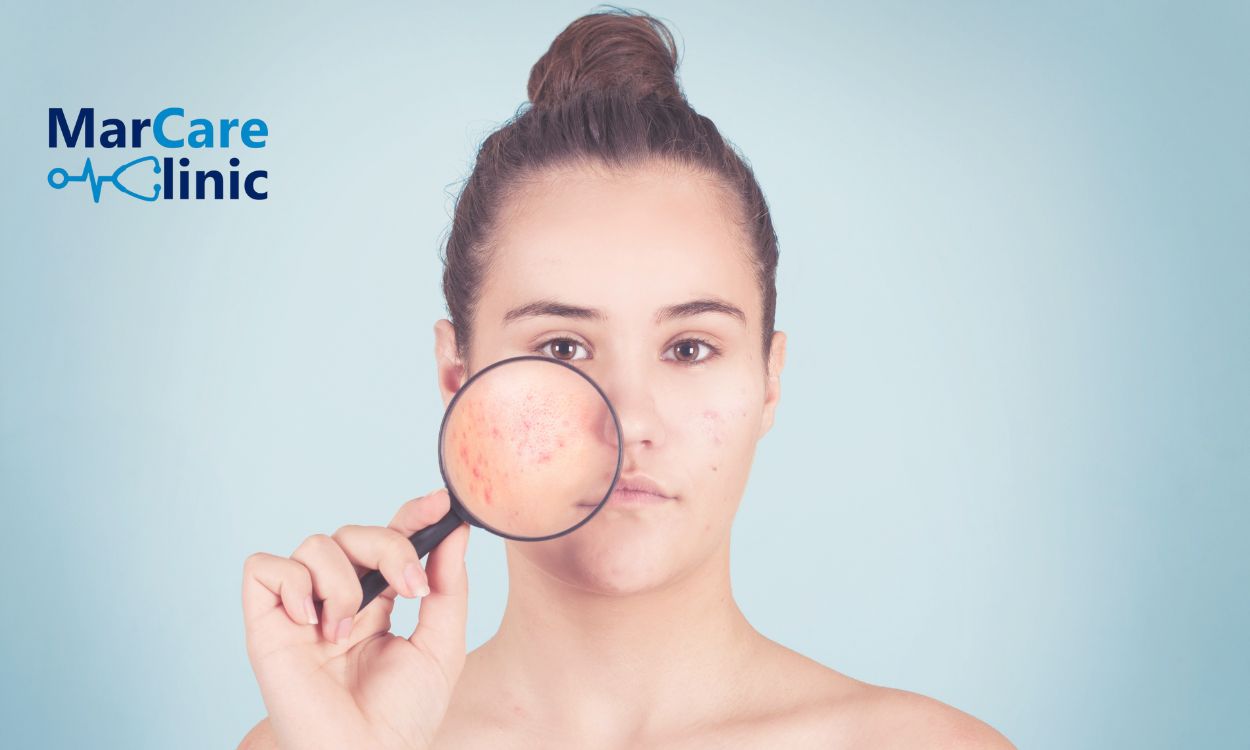
If you are considering taking isotretinoin to treat acne, you need to know the side effects and how long it takes to work. You should also know the effectiveness of benzoyl peroxide and salicylic acid. Here are some common side effects of isotretinoin:
Side effects of isotretinoin
Some people have to give up donating blood while on isotretinoin for acne. If you are one of these people, you may need to wait a month before you can donate again. This drug has side effects that are worth understanding before beginning it. You may want to discuss the risks and benefits of donating blood while taking it with your healthcare provider. Isotretinoin is an effective treatment for severe acne, but it can also cause serious side effects.
This acne medication has several adverse effects and should be used only by clinicians who are well-versed in prescribing the medication. The side effects of isotretinoin are most common when used by patients with moderate to severe cases of acne vulgaris. However, there are also some side effects of isotretinoin that patients with moderate to severe acne should be aware of.
Effectiveness of isotretinoin
The effectiveness of isotretinoin for acne depends on how severe acne is, as this medication can dramatically reduce the severity of the condition. However, it has many side effects, including dry skin, inflamed lips, and nausea. This medication must be taken by a dermatologist regularly to avoid side effects. There are 14 studies that compared the effectiveness of isotretinoin over various courses and dosages. The participants in these studies had moderate to severe acne.
In one trial, researchers compared isotretinoin to a topical drug and an oral antibiotic. Participants had moderate to severe acne and underwent treatment for 20 to 24 weeks. The results were assessed directly after the trials were completed. There was no significant reduction in the number of inflamed lesions, which are areas of damaged tissue. However, the drug was associated with serious side effects, such as Stevens-Johnson syndrome.
Side effects of benzoyl peroxide
Benzoyl peroxide for acne can have a variety of side effects. While this acne medication is designed for external use only, it can cause skin dryness and peeling. Benzoyl peroxide can also bleach hair, clothes, towels, and bedding. You should also avoid using it if you are sunburned or have sensitive skin. The full list of possible side effects can be found in the manufacturer’s leaflet.
Benzoyl peroxide for acne is a bactericidal substance that kills bacteria. It works to kill Propionibacterium acne bacteria without causing bacterial resistance. This chemical is widely available in over-the-counter acne treatments and supermarket products. You may also find higher concentrations of benzoyl peroxide in products made for hair bleaching.
Side effects of salicylic acid
One of the most common side effects of acne medication, benzoyl peroxide, is a staining agent that should be avoided at all costs. A nonprescription retinoid such as Adapalene will also unclog pores, but is not as strong as Accutane. While it is safe to use these medications during pregnancy and lactation, there are some precautions to follow.
Azelaic acid is a naturally occurring dicarboxylic acid. It helps maintain a healthy skin pH level by inhibiting the production of hydroxy radicals by neutrophils. It is also effective in preventing plugged hair follicles. But despite its many benefits, it may be too harsh for some people. Therefore, it’s recommended to speak with a dermatologist if you experience any of these side effects.
Among the many medications used to treat acne, azelaic acid is one of the most effective. It works by shrinking acne-causing oil glands. However, despite its effectiveness, this medicine has many risks, including an increased risk of birth defects, ulcerative colitis, and depression. For this reason, it is important to follow your doctor’s instructions and read the Patient Information Leaflet carefully.
At Marcare Clinic, we care about your health; if you need medical care close to you in Hamilton or a walk-in clinic in hamilton, please do not hesitate to contact us; we will attend