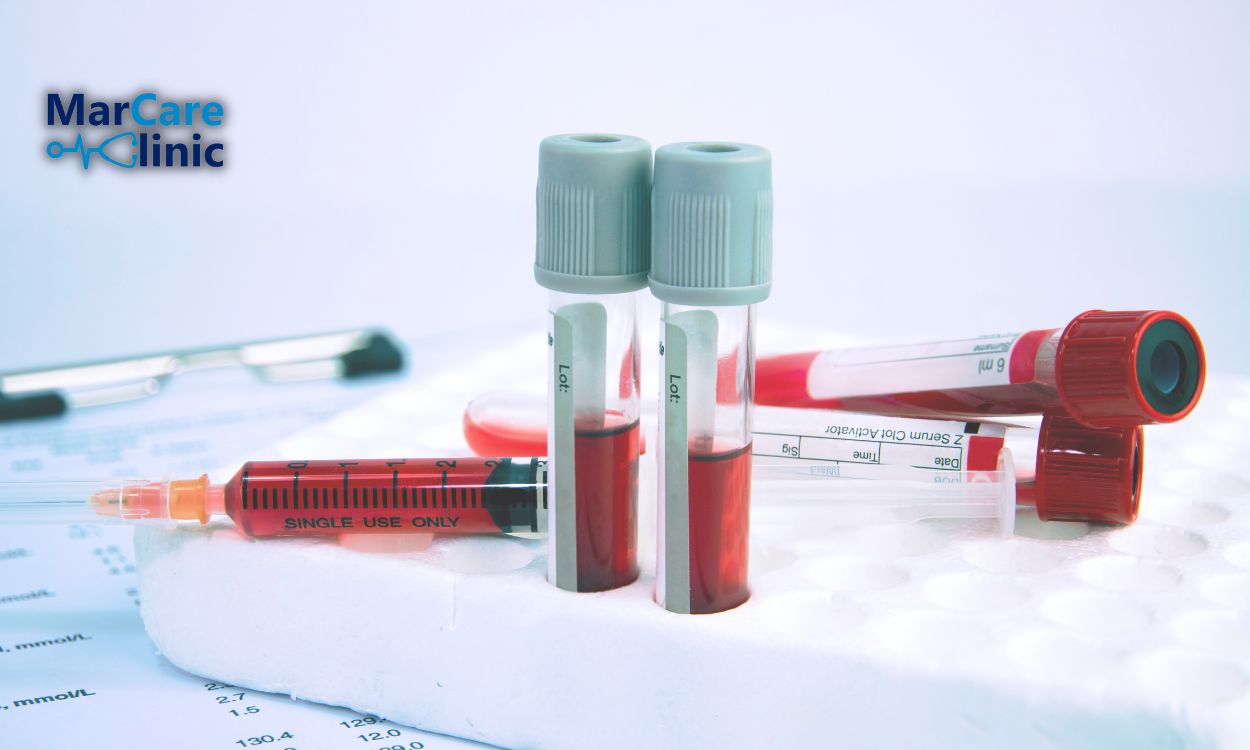
You may be wondering, what does blood analysis reveal? This article will answer that question and more. Blood tests can be used to diagnose various illnesses. Anemia, infections, cancer and hearing loss are just a few examples. Your doctor will likely order more tests to rule out more serious conditions. During an initial blood test, a doctor will order a blood count to determine if you have a fever or any other underlying medical problems.
Anemia
Anemia is a common ailment that results in diminished levels of red blood cells and hemoglobin in the blood. These deficiencies impair the delivery of oxygen to the tissues and can cause symptoms such as fatigue, dizziness, and headaches. The most common form of anemia is iron-deficiency anemia. Blood analysis reveals the hemoglobin level in red blood cells and measures iron, B-12, folate, and other nutrients. These results are useful in identifying medical conditions that are associated with anemia and determining appropriate treatment.
Infection
When it comes to infections, a blood culture test can help to determine the type of germs that are infected. It’s important to note, however, that a blood culture can’t detect every germ, so it’s vital to have a doctor review the results before making a diagnosis. If the culture test yields a positive result, the doctor will likely perform other tests to determine whether the infection has spread or if the source was skin contamination. Moreover, follow-up blood culture tests will be needed to determine whether the infection has improved.
Cancer
What does cancer blood analysis reveal? Scientists have known for years that cancer signals are found in the blood. They use proteins called biomarkers and pieces of DNA from tumors to detect cancer. Cancer blood analysis has a large impact on treatment and diagnosis, and it is becoming a common way to catch it early. Here are three reasons why cancer blood analysis is a significant tool. Using it to detect cancer is the most cost-effective method of detection.
Hearing loss
Current blood tests can confirm various diseases, including cancer and cardiovascular disease, but hearing loss isn’t one of them. Neither are blood tests for vertigo.
Depression
Blood analysis for depression is a promising tool that can help doctors tailor treatments for patients suffering from depression. This test is useful in highlighting high levels of inflammation in patients, a factor that can lower the success rate of treatments. Additionally, it can help doctors identify which medications are less effective. According to Dr. Weinstein, Associate Director of the University of Illinois Center for Depression and Resilience, doctors should consider conducting a blood test for depression as a preventive strategy.
Immune system disorders
Primary immune system disorders are often triggered by clinical problems, such as chronic or recurrent infections. To diagnose such conditions, laboratory tests are performed to determine whether the body is producing sufficient levels of infection-fighting proteins. Blood tests are also a good way to determine whether the immune system is responding to infections or not. When an abnormal level of immune system proteins is discovered, the doctor will be able to decide which treatment to prescribe.
Inflammation
Using blood analysis to detect inflammation is a common method of monitoring inflammatory conditions. Inflammation is a natural reaction of the body to heal damaged tissue. While this is beneficial in the short term, it becomes chronic when it remains for a long period of time. Inflammation is closely associated with many common diseases. Tests that can help identify chronic inflammation include C-reactive protein (CRP), fasting insulin, and hemoglobin A1C. Various other tests, such as Red Blood Cell Width, can also be used to determine whether you have inflammation.
At Marcare Clinic, we care about your health; if you need medical care close to you in Hamilton or a walk-in clinic in Hamilton, please do not hesitate to contact us; we will attend