

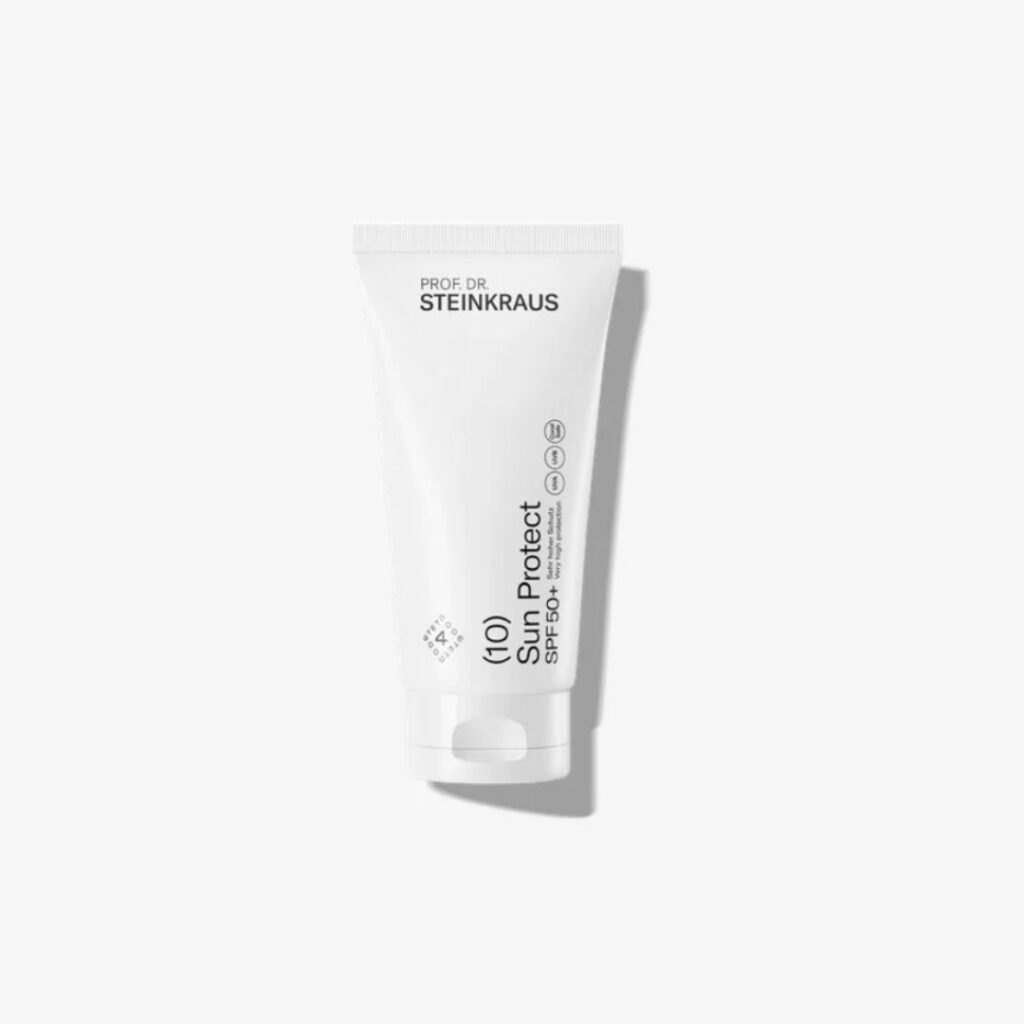
Opt for a broad-spectrum sunscreen with SPF 30 or more to keep your skin safe from the sun. According to the American Academy of Dermatology, a product with SPF 30 offers 97% protection against harmful UVA and UVB rays. However, many people still ignore this fact, even though it is the recommended level. Here are some tips for using a broad-spectrum sunscreen for summer:
If you have sensitive skin, choose sunscreen with a high SPF value. This will protect you from the sun’s harmful rays and prevent you from developing acne. This sunscreen can also be layered and is suitable for dry, combination, and oily skin. This type of sunscreen is also a dermatologist-recommended. It is fast-absorbing and does not leave white streaks on darker skin.
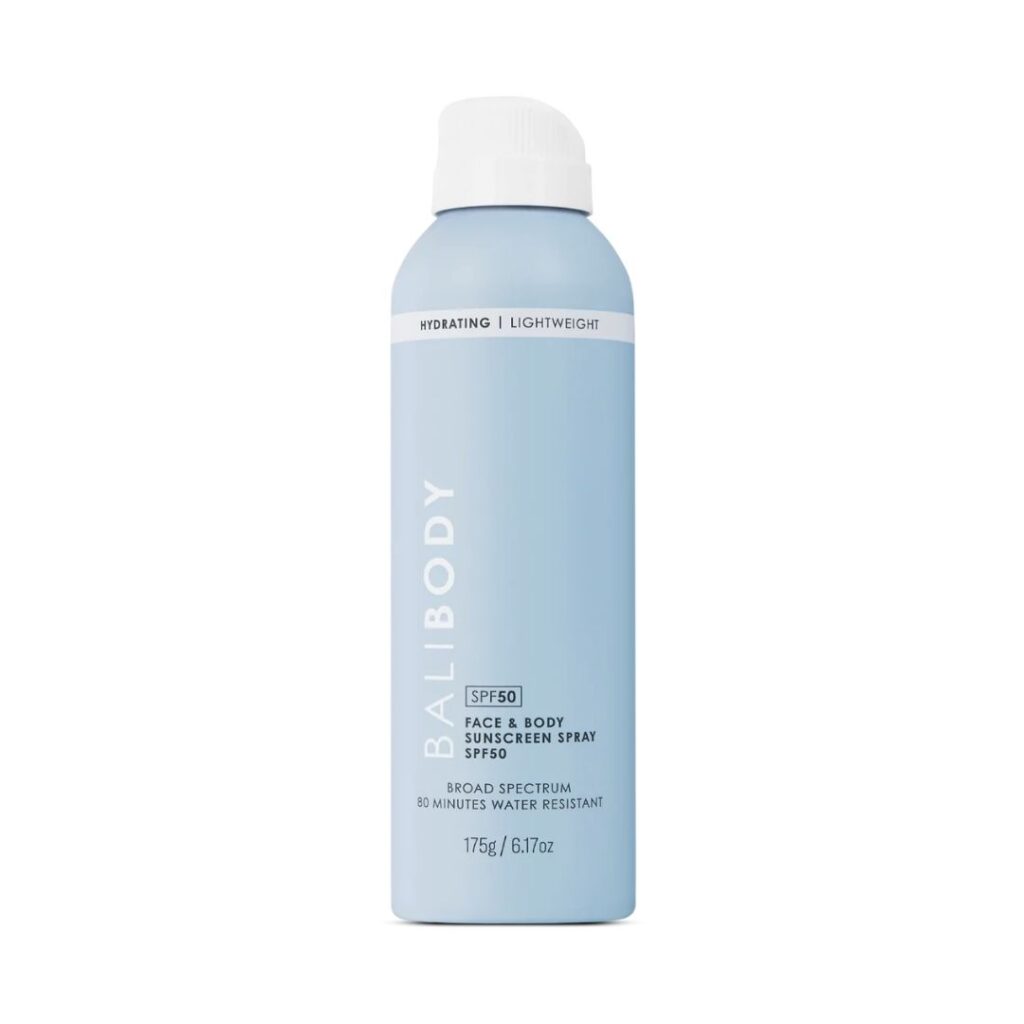
There are many benefits of lotion and sprays when protecting your skin during summer. The lotion will provide better coverage and can also double as a moisturizer. In addition, lotions will help prevent sunburn, while sprays can be applied to hard-to-reach areas. However, a few disadvantages should be considered before deciding which product is right for you.
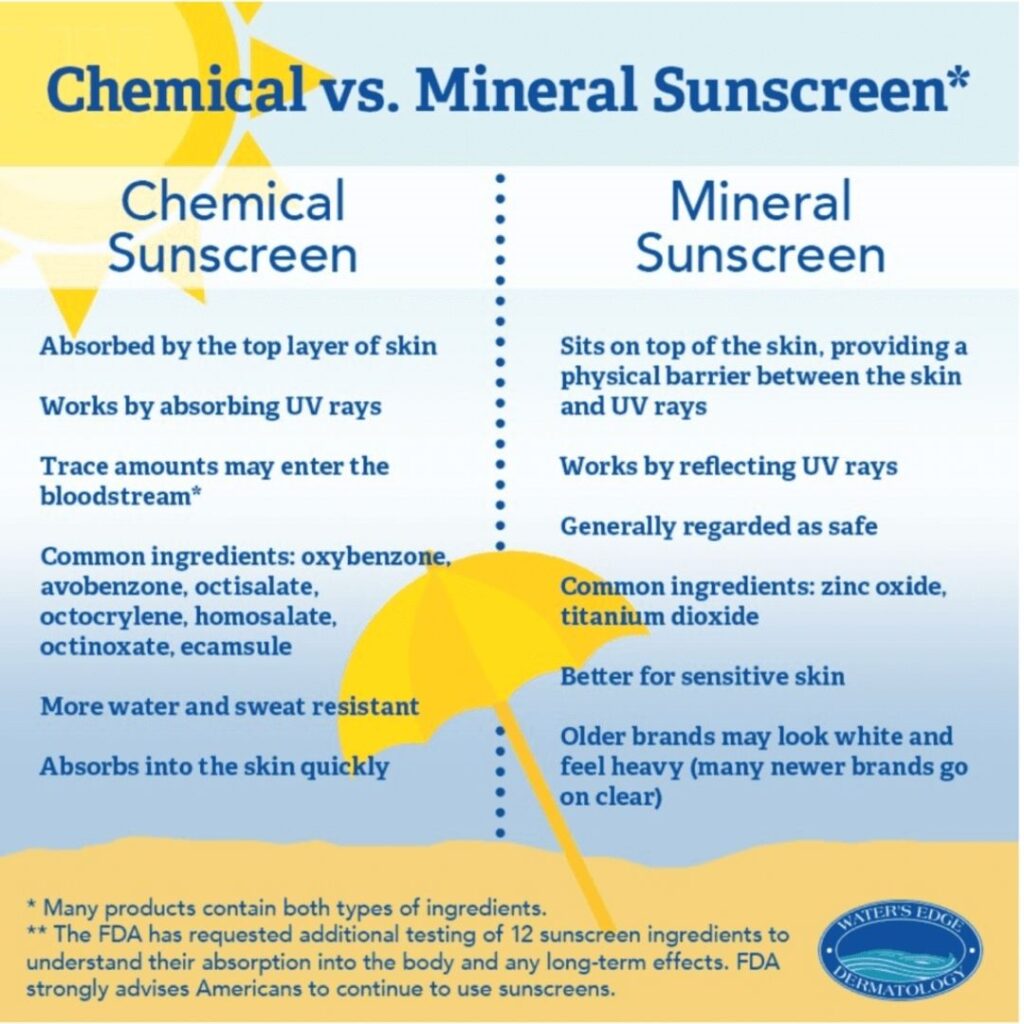
When it comes to summer skin protection, chemical and mineral sunscreen are both effective, but each has its pros and cons. Chemical sunscreen tends to be more difficult to apply and doesn’t absorb as quickly as mineral sunscreen. The downside is that it tends to leave a white tint, which is undesirable for people with darker skin tones. Luckily, some mineral sunscreens use tinted zinc oxide.
The difference between chemical and mineral sunscreen lies in the ingredients. Chemical sunscreens contain ingredients that reach the deeper layers of your skin. Mineral sunscreens, on the other hand, are more effective at protecting the skin from UV rays. Chemical sunscreens contain chemicals that can irritate the skin. Mineral sunscreens are safer because they do not get into the bloodstream. This means they are better for the environment as well.
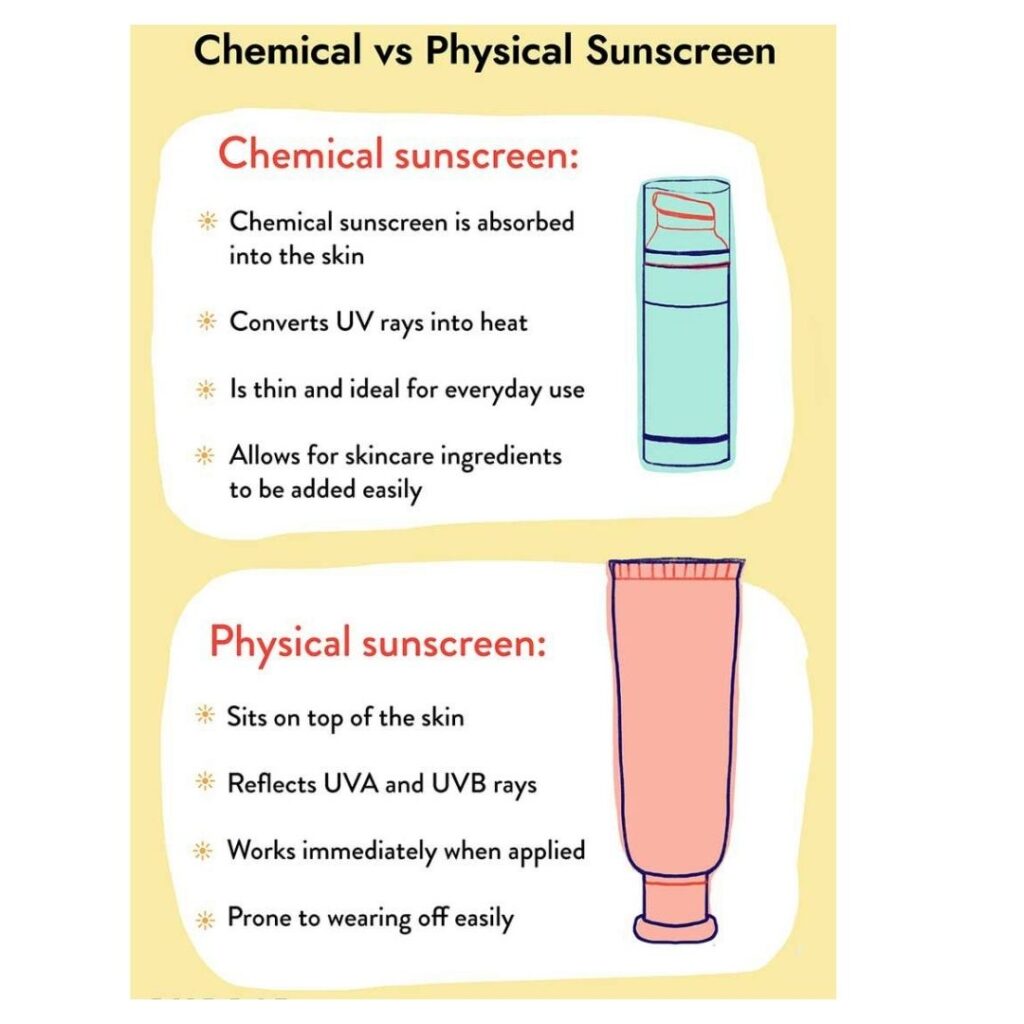
When choosing sunscreen, it can be confusing to decide which is better: chemical or natural? The pros and cons of each are discussed in this guide by two dermatologists specializing in skin care. Dr Hadley King is board certified in medical dermatology, and esthetician Candace Marino practices in Los Angeles. These experts discuss the pros and cons of chemical and natural sunscreens and explain how to use them on your skin.
Although SPF is essential to your overall health year-round, it is especially important to use protective sunscreen during the summer. Wearing a protective sunscreen can avoid the risk of skin cancer, ageing, and other harmful effects of ultraviolet rays. But which one is best for you? Finding the best product for you is an exercise in trial and error, and dermatological guidance can help you find the right formula for your skin type.
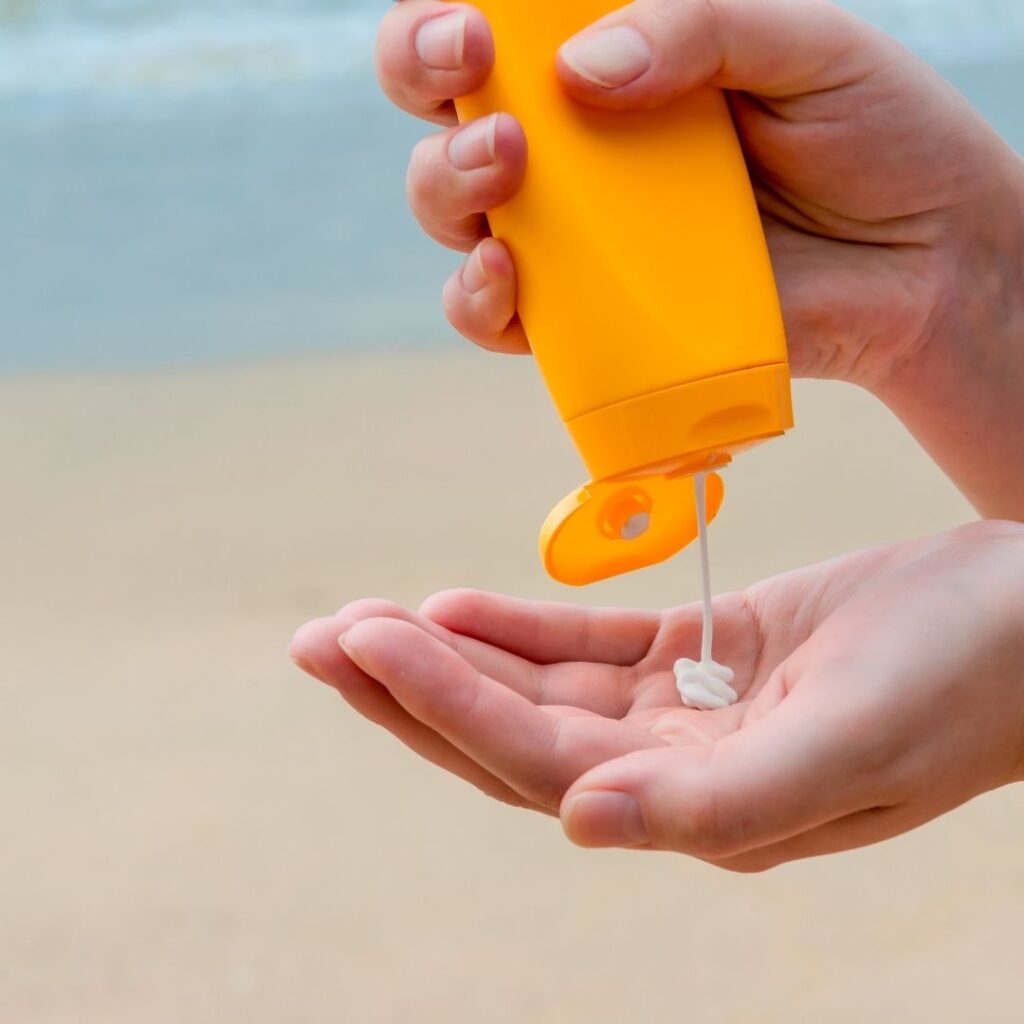
There are many chemical sunscreens, so it’s best to read the labels of the products you use carefully. Chemical sunscreens contain potentially harmful ingredients like oxybenzone. Those with a high risk for acne should look for non-comedogenic sunscreen. The best way to prevent breakouts caused by sun exposure is to pair sunscreen with a face wash containing salicylic acid. Niacinamide, a combination of Vitamin B3 and lactic acid, is another effective sunscreen ingredient. It protects sensitive skin while removing oiliness.
A sunscreen’s ingredients list should contain both chemical and mineral ingredients. Ideally, the ingredients should be chemical-free or contain zinc oxide.
At Marcare Clinic, we care about your health; if you need medical care close to you in Hamilton or a walk-in clinic in hamilton, please do not hesitate to contact us; we will attend
