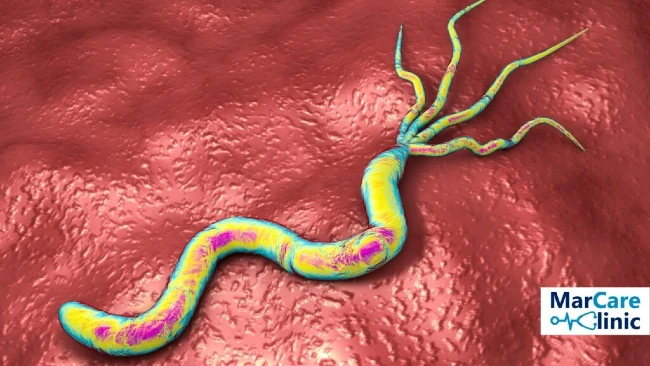
The Helicobacter Pylori can be eradicated to prevent the development of vascular disease.
A bacterium called Helicobacter Pylori causes gastric infections in 75% of people living in developed countries. The bacterium is usually asymptomatic and causes a gastric illness.
This can lead to gastric cancer, chronic atrophic gastritis, or perforation of the gastric mucosa.
Helicobacter Pylori can be detected by using an expired air test. In 98% of cases, the treatment with antibiotics is successful.
Recent research has shown that Helicobacter Pylori infection can lead to subclinical obstruction of the coronary vessels. Dr. Kang from the University of Seoul published the article. He suggests that eliminating Helicobacter Pylori may be a preventative strategy to the onset of vascular disease.
Helicobacter pylori
Dr. Kang and his colleagues have conducted a series of studies to assess the effect of Helicobacter Pylori on cardiovascular risk. They studied some volunteers, in which it was found that patients with positive gastric biopsy Helicobacter Pylori infection had up to seven times the severity of subclinical obstruction at coronary levels than patients without the disorder.
Although it is unclear how Helicobacter Pylori bacteria causes an increase in cardiovascular events and interferes with their normal functioning, many theories exist. Dr. Kang’s research suggests that the bacteria somehow disrupt lipid metabolism and causes dysregulation of specific inflammatory proteins like TNF.
This mobilizes lipids into the vessel walls. Helicobacter Pylori also directly causes vascular endothelial dysfunction by secreting a toxic substance called conotoxins. This causes local endothelial injury, increased oxidative stress, and platelet accumulation. These conditions are perfect for atheroma plaque formation.
This model can be applied to healthy volunteers and patients with other vascular risk factors or patients who have had a previous cardiovascular event. Helicobacter Pylori infection is another option to consider for patients in secondary prevention. Patients who have a subclinical vascular lesion or have suffered a cardiovascular event are eligible to be considered.
Summary: Helicobacter Pylori infection is one of the most common “silent” threats in our environment. Because most patients infected with Helicobacter pylori are not symptomatic, we say that they are “silent.” However, we all know that infection can lead to many complications at the local gastric level, including acute superficial gastritis and the appearance of cancer.
This article aims to highlight that Helicobacter Pylori can cause damage to the cardiovascular system remotely, or it can worsen existing lesions, speeding up the formation of atherosclerosis plaques.
At Marcare Clinic, we review, maintain, and offer a quality health service in Hamilton, Ontario.
If you need to visit your doctor for a general medical review or receive advice on improving your quality of life, do not hesitate to contact us.